China app stores directory — select, don’t collect
Mainland China has many official app stores — Apple China, OEM Android markets, Tencent MyApp, and more. Use a directory to pick a short publish list; do not collect every store or treat APK links as a launch plan.
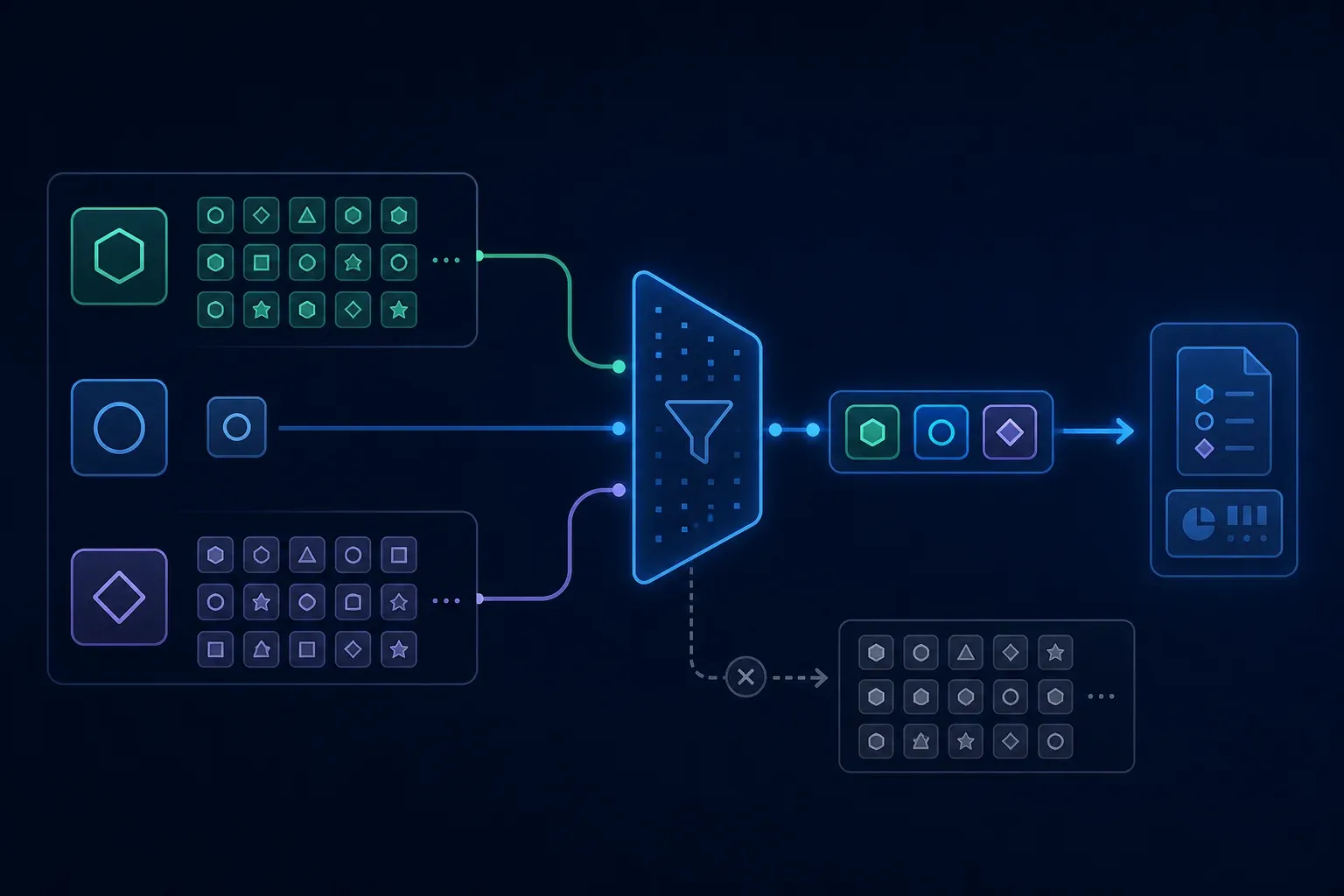
A China app stores directory is a selection tool — not a collect-everything checklist. Mainland China users discover apps through Apple App Store China, OEM Android markets, major third-party stores such as Tencent MyApp, and adjacent HarmonyOS surfaces — not Google Play as the default. Your product team should name a short publish list, clear entity and filing rails, then expand with evidence.
What a China app stores directory means
Hard names your program will use:
- No Play default — Ordinary Mainland China Android users do not get apps from Google Play as the mainstream channel. Domestic stores are the plan.
- Three surfaces, not one “China store” — iOS is primarily Apple App Store China (one storefront). Android is a multi-store OEM + third-party network. HarmonyOS / Huawei ecosystem reach often sits next to Huawei AppGallery planning — do not assume a single upload covers all three.
- Directory ≠ publish plan — Knowing official store names helps research and shortlisting. It does not open developer accounts, clear filings, or ship packages.
- First-wave shortlist (selection gate) — For most non-game consumer apps, day-one Android usually means Huawei AppGallery, OPPO, vivo, Xiaomi, and Tencent MyApp (+ Honor when coverage needs it). Long-tail third-party markets (360, Baidu, PP Assistant, category stores) are expansion — not inventory vanity.
- Official names vs sideload clutter — Prefer recognizing OEM/third-party store brands and their developer paths over collecting random APK mirrors. Research recognition is not the same as a multi-store release matrix.
- Games and utilities diverge — Monetized games need ISBN / publisher rails and game-centric channels. Do not force a utility shortlist onto games — see Publish a game in China.
Vocabulary first. Next: what must be locked before a directory becomes a publish shortlist.
What must be locked before you shortlist stores
Missing any of these stops your product team before an honest store shortlist — you will either under-cover OEM reach or drown in day-one consoles.
| Precondition | Why your process stalls |
|---|---|
| Platform split — Apple China vs Android multi-store (and HarmonyOS adjacency) named separately | One “China store” checkbox hides different rails |
| Entity / partner path for developer accounts and filings | Many consoles expect Chinese entity, phone, or enterprise verification |
| App filing / category readiness for builds you will ship | Missing filings drive rejection and removal across channels |
| Shortlist criteria — category fit, OEM reach, ops capacity, not “every store on the list” | Collecting names without capacity collapses the first batch |
| Chinese metadata & support owners | Translation-only dumps fail review and day-two ops |
| Release matrix plan — package IDs, version codes, privacy URLs per selected store | Directory research with no matrix → silent drift after go-live |
Chinese-language consoles and legal-person verification are part of this floor. Sibling context: Publish an app in China and China mobile app filing.
From directory to a publish shortlist
| Stage | What you decide |
|---|---|
| 1. Admit the landscape | No Play default; Apple China + Android multi-store (+ HarmonyOS adjacency) |
| 2. Separate tracks | iOS enablement vs Android first-wave — different consoles and rules |
| 3. Pick Android shortlist | Usually Huawei AppGallery, OPPO, vivo, Xiaomi, Tencent MyApp (+ Honor if needed) |
| 4. Park the long tail | 360, Baidu, PP Assistant, Samsung Galaxy Store China, TapTap / category — expansion only |
| 5. Clear filings | App filing and category licenses before multi-store batch |
| 6. Submit the shortlist | Separate packages/metadata; fix one channel before cloning |
| 7. Expand with evidence | Add stores after installs, review quality, and update speed justify the ops cost |
Selection reference (not a Top-15 dump)
Wrong day-one set burns review cycles. Use this short recognition table to select — not to collect every store that appears in industry roundups.
| Surface | Role on a selection map |
|---|---|
| Apple App Store China | Primary iOS storefront in Mainland China — one regulated path, not OEM fragmentation. Detail: Apple App Store in China. |
| Huawei AppGallery | Major OEM / HMS–HarmonyOS ecosystem surface — usually on the Android first wave |
| OPPO / vivo / Xiaomi stores | Pre-install OEM reach for broad consumer categories — usually first wave together |
| Tencent MyApp | Leading third-party Android market; WeChat/QQ adjacency — usually first wave |
| Honor App Market | Add when device coverage needs it — often early expansion |
| 360 / Baidu / PP Assistant | Historical third-party markets — expansion unless category fit is strong |
| Category / community (e.g. TapTap) | Games and niche discovery — not a utility default |
Necessity: product teams cannot choose a correct first batch without seeing OEM vs third-party vs Apple as different selection buckets. A longer MAU leaderboard does not improve that decision — it only adds collect pressure. For phased OEM submit and package ops after the shortlist is locked, use China Android app stores — first-wave OEM plan.
Why collecting every store fails
Directory as inventory → ops collapse. Each console has its own review, package, and update workflow; overhead grows faster than incremental installs.
APK download research → false readiness. Sideloading store clients proves nothing about developer verification, filings, or Mainland China review norms.
Play-only plan → near-zero Mainland China Android reach. Ordinary users do not get apps from Google Play as the default channel.
Apple success → false Android confidence. One App Store China listing does not cover OEM fragmentation.
Filings after submit → rejection and removal loops. Compliance materials belong before a multi-store batch — not after a fifteen-store upload week.
Game rules on a utility shortlist → months lost. Monetized games need ISBN/publisher paths; TapTap and game centers do not replace them.
First-wave skip → blind expansion. Without Huawei/OPPO/vivo/Xiaomi/Tencent measurement, second-wave stores are guesswork.
Console load, package drift, and long-tail traps
- Chinese developer consoles — language, enterprise verification, legal-person flows, and China mobile numbers block HQ-only teams.
- Per-store package debt — permissions, privacy disclosures, and signing differences accumulate once you leave the shortlist.
- Long-tail nostalgia — 360/Baidu-era share is not today’s spine; treat them as expansion unless category fit is strong.
- Removal root causes — missing/inconsistent filings, content/policy hits, outdated packages, broken compliance materials. Fix the root before resubmitting everywhere.
- Commercial terms — assume store-by-store fees and promotion costs until contracts say otherwise.
- HarmonyOS adjacency — plan Huawei ecosystem reach with AppGallery — do not invent a separate “Harmony-only” shortcut that skips OEM review reality.
China landing partner for store selection
Most product teams exploring Mainland China entry need a China landing partner to turn a store directory into an executable shortlist — entity and verification rails, filing readiness, and first-wave console ops — not a longer collect-every-store list. Your team still owns product priority and category fit; the partner path makes Mainland China multi-store selection and submit executable when those rails are not already in-house.
What we can offer?
Mainland China distribution starts with a selected store shortlist — not a collected directory. Chinaready helps your product team name Apple vs Android tracks, lock a first-wave set, and clear the rails before the long tail:
- China Readiness Assessment — Map Apple China, Android first-wave, and expansion stores for your category; name entity and filing blockers before a collect-everything plan.
- China Access Acceleration — Keep APIs, auth, and critical deps reachable on Mainland China devices after store approval so installs become working products.
- China Product Hosting — Host China-critical services so shortlisted-store installs are not dead shells on first open.
- Mobile App Distribution — Execute the selected shortlist — submissions, release matrix, and update ops — then expand only with measured demand.
Contact us when you need a selected China store map before the first console opens.
Frequently asked questions
How many app stores are there in Mainland China?
Enough that collecting every name is the wrong first move. Plan Apple App Store China as one iOS storefront, then a short Android first-wave (often Huawei AppGallery, OPPO, vivo, Xiaomi, and Tencent MyApp), and treat other third-party markets as expansion — not day-one inventory.
Is Google Play an official China app store?
Not as the mainstream consumer channel for ordinary Mainland China Android users. Domestic OEM and major third-party stores are the practical Android surface.
Should we download every Chinese app store APK for research?
No. A directory helps you recognize official store names and choose a publish shortlist. Sideloading every store client is not a distribution program and is not a substitute for developer accounts, filings, and review.
What is the difference between this directory Guide and a first-wave OEM plan?
This Guide is the selection decision — which surfaces belong on your shortlist versus the long tail. The Android first-wave Guide covers phased OEM submit, package matrix, and expansion after measurement.
Do we need Apple and Android plans separately?
Yes. Apple App Store China is one regulated storefront. Android in Mainland China is multi-store. HarmonyOS / Huawei ecosystem reach may sit adjacent to AppGallery planning. Do not collapse them into one “China store” checkbox.